October 14, 2026
Most people sign up for dance because they want to learn a new skill, feel more comfortable at social events, or simply do something enjoyable. Those are good reasons to start, but regular lessons can offer benefits that go well beyond memorizing steps. Dance combines movement, music, concentration, repetition, and interaction in a way that makes it different from many other hobbies.
Dance instruction can also be adapted to different goals and experience levels. International Ballroom Dance Studios offers an introductory program, private lessons, group classes, social dance parties, and wedding instruction throughout the Greater Charleston area. Whether you are a complete beginner or returning to dance after time away, making it part of your routine can give you more than a new set of moves.
1. Dance Gives Your Brain a Different Kind of Challenge
Learning to dance requires more than physical movement. You listen for rhythm, remember patterns, respond to a partner, adjust your timing, and make decisions as the music continues. Even a basic combination asks your brain and body to work together in real time.
That mental involvement is one reason dancing has drawn interest in research on cognitive aging. According to the New England Journal of Medicine, frequent leisure dancing is associated with a 76% reduced risk of dementia in older adults. The study was observational, so the finding shows an association rather than proving that dancing prevents dementia.
For students of any age, the more immediate benefit is simpler: dance gives you something new to learn. Adult dance lessons regularly introduce new steps, rhythms, combinations, and techniques, so the experience can remain mentally engaging even after the fundamentals begin to feel familiar.
2. Exercise Can Feel More Like Learning a Skill
Not everyone enjoys exercise for the sake of exercise. Repeating the same workout can become difficult to maintain when the activity itself does not feel rewarding. Dance offers a different structure because the movement is attached to a goal: learning a pattern, improving timing, becoming more comfortable with a partner, or getting ready to use the skill socially.
International Ballroom Dance Studios teaches a variety of ballroom, Latin, social, and specialty styles, including waltz, tango, foxtrot, cha-cha, rumba, swing, shag, salsa, and others. Moving between styles can keep practice from feeling repetitive because each dance introduces different rhythms and movement patterns.
The result is a form of regular activity that also gives you a skill to build. Instead of measuring every session only by how hard you worked, you can notice progress in what you are actually able to do on the dance floor.
3. You Get a Built-In Reason to Leave Your Comfort Zone
Many adults are hesitant to start dancing because they think they need natural rhythm, previous experience, or a partner. Learning in a structured environment removes some of that pressure. You are there specifically to practice, make mistakes, ask questions, and improve.
International Ballroom Dance Studios welcomes beginners and offers an Introductory Dance Program built around the fundamentals of popular social dances. Its NDCA-certified instructors can also tailor private instruction to a student's goals and learning pace.
Showing up consistently can make unfamiliar movements feel less intimidating. A step that feels awkward during the first lesson may become comfortable after enough repetition. That process can make adult dance lessons rewarding even before someone considers themselves a confident dancer, because progress becomes visible in small, practical ways.
4. Socializing Becomes Part of the Activity
It can be surprisingly difficult for adults to add new social experiences to an established routine. Dance creates a reason to interact that does not depend on making conversation from scratch. Everyone already has a shared activity and something to work on together.
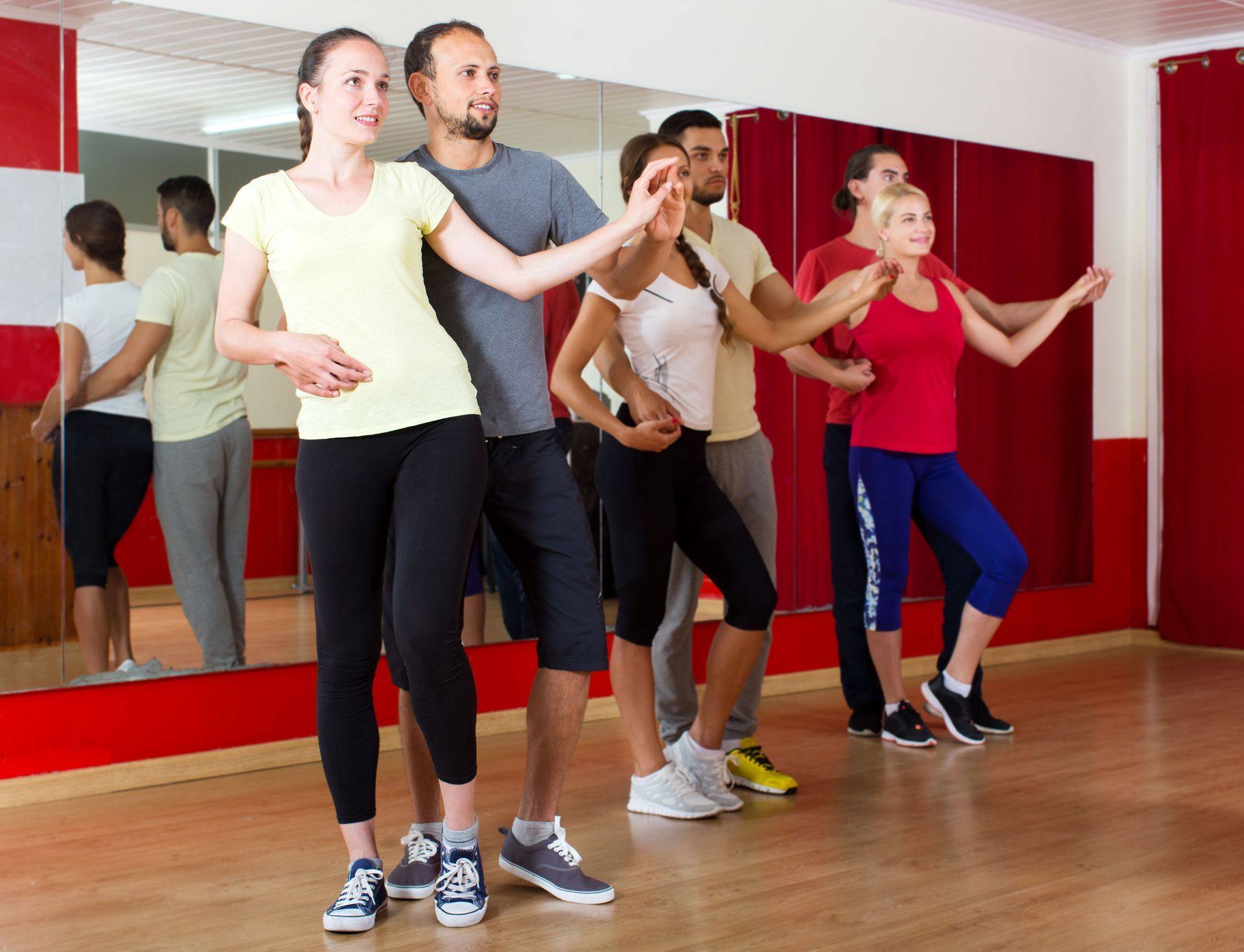
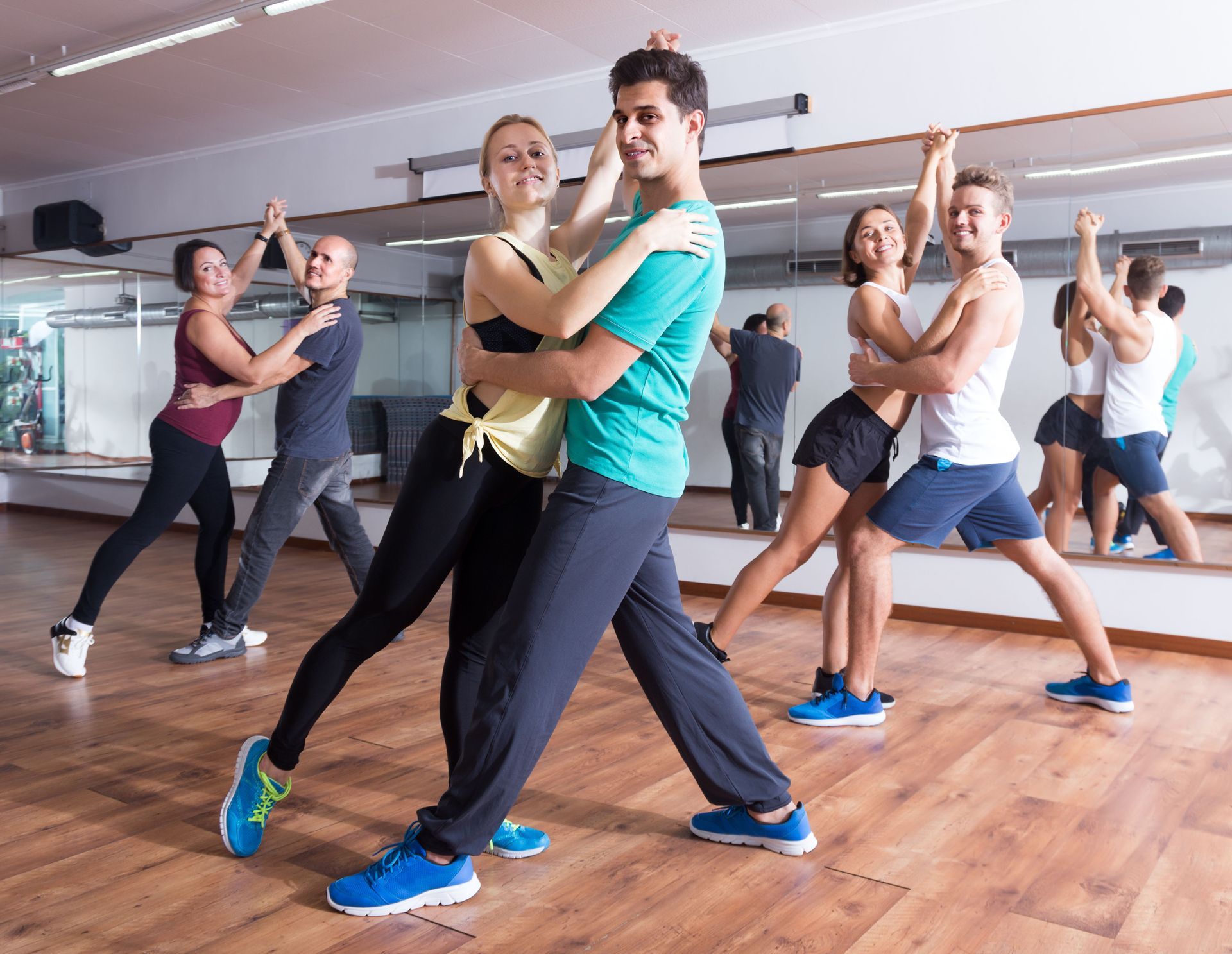
Group classes provide opportunities to learn around other dancers, while social dance parties give students a chance to practice in a more relaxed setting. International Ballroom Dance Studios describes its parties as a place to try new moves, mingle with other dancers, and use what students have been learning in lessons.
This makes adult dance lessons different from activities where everyone participates independently. You may arrive focused on learning the foxtrot or salsa, but the routine can also introduce you to people you might not otherwise meet.
5. Dance Can Give Couples a New Shared Hobby
Couples often look for things to do together that are more interactive than another dinner, movie, or night at home. Dancing creates a shared project. Both people are learning, adjusting, communicating, and improving together.
You do not have to be preparing for a wedding to benefit from partner dancing. Learning how to lead, follow, stay on time, and move together gives couples something concrete to practice and enjoy at social events.
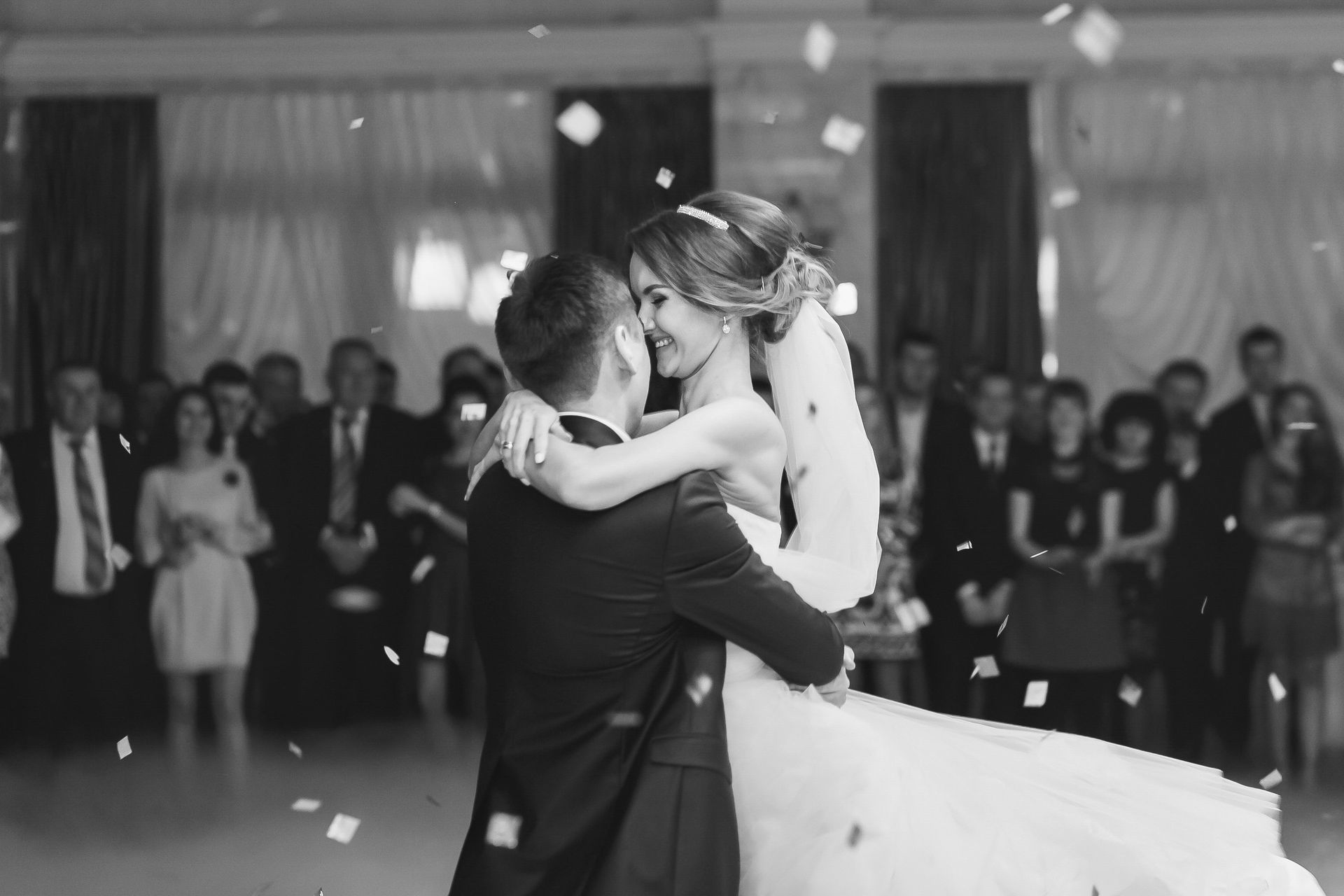
For those who are preparing for a wedding, International Ballroom Dance Studios also offers a dedicated Wedding Dance Program with private lessons, personalized choreography, rhythm and timing practice, posture and frame techniques, and group instruction. But the same skills can continue to be useful long after one special event is over.
6. Music Starts to Feel Different When You Know How to Move to It
Before learning to dance, it is easy to hear a song simply as fast, slow, upbeat, or romantic. Dance instruction introduces another layer. You begin paying attention to tempo, rhythm, phrasing, and which styles fit different types of music.
That can make familiar songs more interesting because you start hearing possibilities for movement instead of only listening passively. A song may suddenly sound like a rumba, cha-cha, swing, waltz, or another style you recognize from class.
International Ballroom Dance Studios' introductory program exposes beginners to several popular social dances, giving students a foundation for recognizing different rhythms. Over time, adult dance lessons can make music and movement feel more connected, which can make weddings, parties, cruises, and other social occasions more enjoyable.
7. A Regular Dance Routine Gives You Clear Ways to Keep Progressing
Some hobbies are easy to start but difficult to structure once the basics are over. Dance has a natural progression. You can improve timing, technique, posture, footwork, partnering, musicality, styling, and the number of dances you know.
Different lesson formats can support different stages of that progress. Private lessons allow an instructor to focus closely on individual goals. Group classes add repetition and exposure to other dancers. Social parties give students a chance to use those skills outside a formal lesson while still remaining in a supportive studio environment.
International Ballroom Dance Studios offers all three formats, so students do not have to rely on a single way of learning. Someone might use private instruction to work through a difficult pattern, reinforce it in a group class, and then practice it socially later in the week.
That variety can help make adult dance lessons easier to turn into a genuine routine instead of a short-lived activity you try once and forget.
Make Dance Something You Look Forward to Each Week
The benefits of dancing do not have to begin with becoming an advanced performer. Learning new patterns, moving regularly, meeting other people, sharing an activity with a partner, hearing music differently, and watching your own skills improve can all make the experience worthwhile.
If you are interested in adult dance lessons in the Greater Charleston area, contact International Ballroom Dance Studios. The locally owned studio has served the area since 2006 and offers instruction at its Charleston and Mount Pleasant locations. Its NDCA-certified instructors work with beginners through experienced dancers through introductory programs, private lessons, group classes, social dance parties, and wedding instruction, giving students several ways to make dancing a regular part of life.